Abstract Liquid Background: A Modern Design Solution for Digital and Print Projects
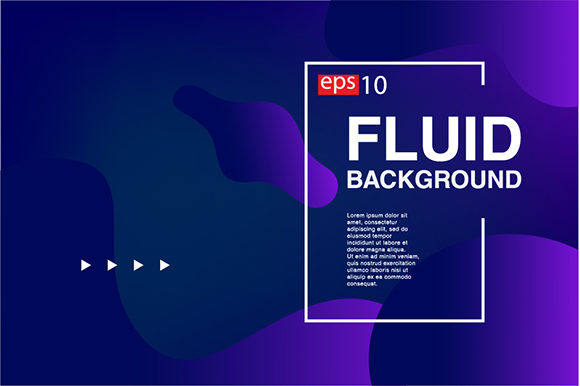
The abstract liquid background is a visually striking design element that combines fluid motion with vibrant color palettes. This modern abstract pattern is ideal for a wide range of applications, from digital projects to print materials. Its dynamic appearance can add depth and visual interest to any layout, making it a popular choice among designers and creatives.
Understanding Abstract Liquid Background
An abstract liquid background refers to a digital artwork that mimics the movement and texture of liquid. It often features flowing colors, gradients, and organic shapes that create a sense of motion and energy. These designs are typically created using graphic design software or digital painting tools, allowing for a high degree of customization.
Unlike traditional solid backgrounds, abstract liquid backgrounds offer a more dynamic and engaging visual experience. They can be used as a backdrop for websites, social media posts, marketing materials, and more. The design’s versatility makes it suitable for both professional and personal projects.
Reasons to Consider an Abstract Liquid Background
There are several reasons why someone might choose an abstract liquid background for their project. First, it provides a unique and eye-catching aesthetic that can help differentiate a brand or design from competitors. The fluid nature of the design adds a sense of movement and modernity, which can be particularly effective in digital environments.
Another benefit is its adaptability. The abstract liquid background can be adjusted to fit different sizes, resolutions, and formats. Whether you need a background for a website header, a banner, or a business card, this design can be tailored to meet your specific needs. Additionally, the availability of multiple file types, such as EPS and JPG, ensures compatibility across various platforms and software.
Benefits and Tradeoffs
One of the main advantages of using an abstract liquid background is its ability to enhance the visual appeal of a design. It can draw attention, evoke emotions, and create a strong first impression. This makes it an excellent choice for projects that require a bold and creative approach.
However, there are also tradeoffs to consider. For instance, the complexity of the design may make it less suitable for certain types of content, such as text-heavy documents or minimalist layouts. In these cases, a simpler background might be more effective. Additionally, while the design is highly customizable, it may require some technical knowledge to adjust effectively.
Situations Where It Fits Well
The abstract liquid background is particularly well-suited for projects that aim to convey creativity, innovation, or energy. It works well for websites, landing pages, and digital ads that seek to capture the attention of a modern audience. Its vibrant colors and fluid motion can also enhance the visual impact of presentations, slideshows, and promotional materials.
This design is also useful for branding initiatives that want to stand out in a competitive market. By incorporating an abstract liquid background into logos, packaging, or marketing collateral, businesses can create a cohesive and memorable visual identity.
Situations Where Alternatives May Be Better
In some cases, alternatives to the abstract liquid background may be more appropriate. For example, if the goal is to maintain a clean and professional look, a solid color or subtle gradient might be a better choice. Similarly, for projects that require high readability, such as reports or educational materials, a simpler background could be more effective.
Additionally, if the target audience prefers a more traditional or minimalistic style, an abstract liquid background may not resonate as strongly. In such situations, exploring other design options could lead to a more suitable outcome.
Practical Decision-Making Insights
When deciding whether to use an abstract liquid background, it’s important to consider the project’s goals, audience, and overall design strategy. Ask yourself questions such as: Does this design align with the brand’s identity? Will it enhance or distract from the content? Is it compatible with the intended platform or medium?
Testing the design in different contexts can also provide valuable insights. For example, previewing the background on a website or in a printed material can help determine its effectiveness. If possible, gather feedback from others to ensure the design meets the desired objectives.
Finally, evaluate the ease of use and customization. While the abstract liquid background offers flexibility, it’s essential to understand the tools and skills required to modify it effectively. This will help avoid potential challenges during the implementation process.
Conclusion
The abstract liquid background is a powerful design tool that can elevate the visual appeal of a wide range of projects. Its dynamic and colorful nature makes it ideal for creative and modern applications. However, it’s important to weigh its benefits against potential limitations and consider alternative options when necessary.
By carefully evaluating the needs of the project and the preferences of the audience, designers and businesses can make informed decisions about whether the abstract liquid background is the right choice. With the right approach, this design can become a valuable asset in creating engaging and visually compelling work.